Ensure Your Home's Safety: Essential Services Offered by Qualified Electricians
Professional electricians deliver essential services that improve home safety. These experts handle frequent electrical issues and carry out scheduled inspections to detect possible dangers. These experts ensure that electrical installations comply with safety codes while also advising on enhancements to older systems. Recognizing these critical services can help avert emergencies and safeguard property value. Property owners often question what specific issues electricians tackle and how to select the right expert for their needs.
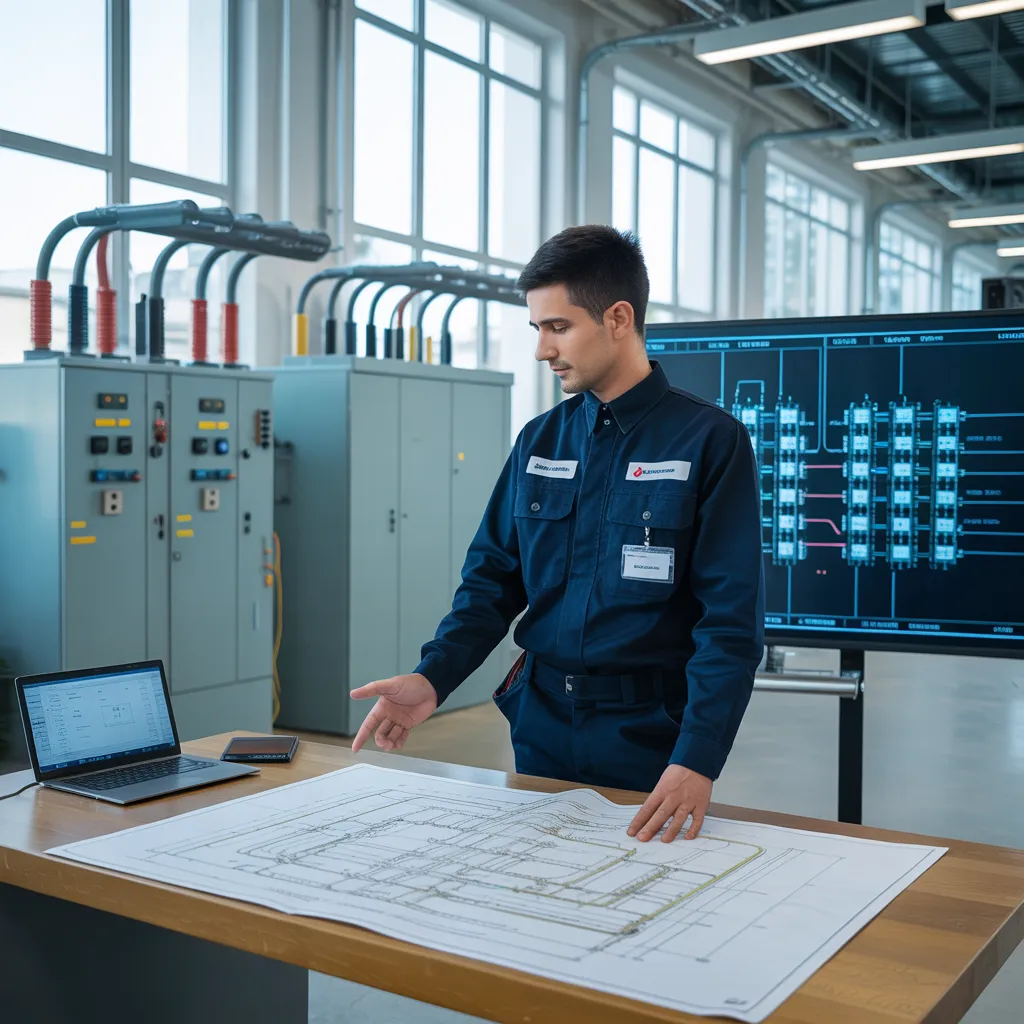
Typical Electrical Problems and How to Address Them
Electrical faults have the potential to affect daily activities, making it essential to recognize common problems and their solutions. Lights that flicker, for example, are frequently caused by loose bulbs or defective wiring. Reinforcing connections or installing new bulbs can eliminate this concern. Circuit overloads, characterized by frequent breaker trips, can be addressed by spreading appliances across multiple circuits or installing a new electrical panel.
Another common issue relates to outlets that cease to operate, which might be caused by tripped breakers or deteriorated wiring. Checking the breaker and examining the outlet can assist in determining the source of the problem. Additionally, ground fault circuit interrupters (GFCIs) may trip unexpectedly due to moisture or faulty devices; resetting the GFCI or swapping out faulty devices can bring back full functionality. Understanding these typical electrical issues empowers homeowners to tackle problems in a timely manner, guaranteeing safety and effectiveness throughout their homes.
Why Regular Electrical Inspections Matter
Although many homeowners may overlook the value of routine electrical inspections, such evaluations are critical for preserving the safety and functionality of every property. Regular inspections identify serious risks like defective wiring, aging systems, and overloaded circuits, which can lead to electrical fires or equipment failures. By resolving these concerns in advance, residents can eliminate unnecessary repair costs and maintain compliance with electrical safety codes.
In addition, inspections are instrumental in uncovering energy inefficiencies, making way for improvements that produce reduced utility costs. Qualified electricians hold the knowledge to spot subtle check here signs of wear and tear that an untrained eye might miss. Furthermore, scheduled inspections commonly improve the durability of home electrical systems and connected appliances, supporting the long-term value of the home. In the end, prioritizing regular electrical inspections is a significant step in safeguarding the safety of residents and the structural integrity of the property.
How Inspections Ensure Safe Installations
Routine electrical inspections serve a critical function in ensuring that installations are carried out safely and effectively. These inspections allow licensed electricians to evaluate existing wiring, outlets, and fixtures, uncovering potential risks or code violations prior to new installations starting. By assessing the general state of the electrical system, electricians can tackle concerns such as aging wiring or improper grounding, which may pose a threat to safety.
In addition, inspections offer a chance to confirm that all elements satisfy existing safety codes. This proactive measure not only enhances the safety of the installation process but also protects homeowners from future electrical failures or hazards. Qualified electricians draw on their experience to propose necessary enhancements or alterations, making certain that all installations comply with established best practices. At the end of the day, periodic inspections help establish a safer residential setting, providing homeowners with greater peace of mind while minimizing the likelihood of electrical fires or failures down the line.
Modernize Your Electrical Panel for Optimal Safety
Replacing a home electrical panel is a essential step in improving residential safety. An old electrical panel can present considerable risks, including electrical fires and equipment damage. Licensed electricians suggest this upgrade to support contemporary power demands and secure dependable power delivery.
Newer panels come equipped with sophisticated protective features, such as circuit breakers that quickly cut off electrical current when overloads or faults occur. This lowers the likelihood of overheating and possible hazards. Additionally, upgrading often allows for the installation of more circuits, addressing the rising number of electronic devices used in homes today.
Homeowners could observe intermittent light flickering, repeated circuit breaker failures, or a noticeable burning odor, each of which suggests that an electrical upgrade may be required. Reaching out to a certified electrician can help determine if an electrical panel upgrade is appropriate, creating a more secure living space while accommodating the needs of today's electrical demands.
How to Respond to an Electrical Emergency
Electrical crises can occur without warning, often emphasizing the significance of a properly maintained electrical panel. In such situations, immediate action is vital to guarantee safety. First, individuals should stay composed and assess the situation. If there is smoke or flames, evacuating the premises and calling emergency services takes precedence. For electrical shocks, direct contact with the affected person must be avoided and instead utilize a non-conducting material to remove them from the electrical hazard.
Should a power outage happen, checking the circuit breaker is a prudent step prior to reaching out to a licensed electrician. When unusual odors or buzzing sounds emerge from outlets, it is essential to unplug appliances and refrain from operating them until a qualified expert can evaluate the system. In the end, maintaining copyright information for a licensed electrician within reach can enable prompt response during urgent situations, guaranteeing safety and minimizing potential damage.
Tips for Choosing the Right Licensed Electrician
What steps can someone take to ensure they choose the correct licensed electrician for their situation? To begin, confirming the electrician's license and insurance is critical to ensure adherence to local regulations. Furthermore, consulting recommendations from friends, family, or online reviews can shed light on the electrician's trustworthiness and caliber of service.
Additionally, you should ask about the electrical contractor's background and expertise, as certain electricians specialize in household wiring while others specialize in commercial projects. Obtaining a thorough cost breakdown, covering the cost of labor and materials, is essential for avoiding unexpected costs and comparing prices.
Additionally, assessing interpersonal abilities is essential; a skilled electrician should articulate issues effectively and answer questions patiently. Lastly, checking for warranties on services rendered can demonstrate a commitment to quality. By taking these factors into account, homeowners can decide with confidence, guaranteeing safety and satisfaction with their preferred electrician.
Common Questions and Answers
What Qualifications Should I Look for in a Licensed Electrician?
When looking for a licensed electrician, one should prioritize key criteria such as valid licensing, relevant certifications, significant experience, favorable customer reviews, and conformance to safety guidelines, guaranteeing both proficiency and dependability in electrical projects.
How Much Do Electrical Services Usually Cost?
Electrical contractor rates usually fall between $50 and $100 hourly, depending on the complexity of the job and the electrician's experience. Extra charges may be incurred for materials, permits, or emergency services outside regular hours.
Are Warranties Available for Electrical Work?
Many professional electricians provide workmanship guarantees for their work, commonly covering parts and labor for a predetermined timeframe. This warranty secures client satisfaction and provides peace of mind concerning the longevity and quality of the electrical repairs and installations executed.
Can I Complete Electrical Work on My Own?
While individuals may attempt electrical work themselves, it is usually not a wise decision. Licensed electricians possess the expertise and knowledge necessary to guarantee safety and compliance with regulations, limiting the chances of mishaps and potential safety risks.
How Frequently Should I Schedule Electrical Inspections?
Homeowners should schedule home electrical inspections every 3 to 5 years, or more often if problems arise. Regular assessments assist in identifying electrical risks, ensuring safety and compliance with current electrical codes and standards.